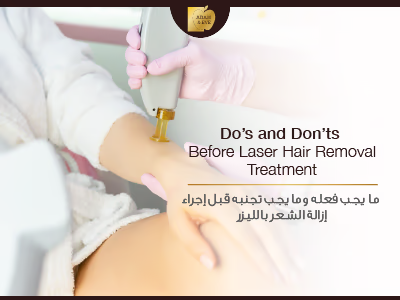
Laser hair removal is a popular and effective procedure used for reducing unwanted body hair. However, achieving the best results requires proper preparation and aftercare. Here we will outline the dos and don'ts before undergoing laser hair removal treatment, ensuring you are well-informed and ready for a smooth experience.
Understanding Laser Hair Removal
Before diving into the preparation steps, it is essential to understand what laser hair removal involves. The procedure uses concentrated light to target and destroy hair follicles, preventing future hair growth. It is a process that requires multiple sessions for the best results due to the hair growth cycle.
The Dos Before Laser Hair Removal
- Research and Choose a Reputable Medical Centre
- Research Credentials: Look for a medical centre with certified and experienced professionals. Check reviews and ask for recommendations from friends or family.
- Consultation: Schedule a consultation with our doctors Adam and Eve Specialized Medical Centre to discuss your skin type, hair type, and the expected outcomes. This step is crucial for setting realistic expectations.
- Understand Your Skin and Hair Type
- Skin Sensitivity: Laser hair removal works best on light skin with dark hair, but advancements have made it effective for various skin and hair types. Discuss with your technician about your specific case.
- Test Patch: Some clinics offer a test patch to see how your skin reacts to the laser. This can prevent adverse reactions and help tailor the treatment to your needs.
- Avoid Sun Exposure
- Stay Out of the Sun: Avoid sun exposure for at least two weeks before your treatment. Sunburned skin is more susceptible to damage and complications.
- Use Sunscreen: If you must go out, use a broad-spectrum sunscreen with a high SPF to protect your skin from UV rays.
- Shave the Treatment Area
- Shave, Don’t Wax: Shave the area to be treated 24-48 hours before your appointment. This ensures the laser targets the hair follicle effectively without burning surface hair.
- Avoid Other Hair Removal Methods: Refrain from waxing, plucking, or threading at least four weeks before treatment, as these methods remove the hair root, which is needed for the laser to work.
- Stay Hydrated and Maintain Healthy Skin
- Hydrate: Drink plenty of water in the days leading up to your appointment to keep your skin hydrated and resilient.
- Moisturize: Regularly moisturize your skin to maintain health, but avoid lotions and creams on the day of your treatment.
- Discuss Medications with Your Dermatologist
- Inform About Medications: Some medications can increase skin sensitivity. Provide your dermatologist with a full list of medications, including over-the-counter drugs.
- Adjust Medication Use: Your Dermatologist may advise you to stop certain medications temporarily before the treatment.
- Do Schedule a Patch Test
Before going all in, it's wise to test the waters. A patch test involves treating a small area of skin to:
- Assess Your Skin: Your dermatologist will assess your skin for any reaction to the laser.
- Suitable Treatment: Determine the most effective settings for your unique skin and hair type.
- Identification of Allergies: Identify any potential allergic reactions or sensitivities.
- Do Manage Your Pain Expectations
While laser hair removal is not typically painful, it can cause some discomfort. To prepare:
- Using Numbing Creams: Ask your practitioner about numbing creams if you're concerned about pain.
- Using OTC Medications: If your practitioner recommends, take an over-the-counter pain reliever about an hour before your appointment.
- Using Relaxation Techniques: Practice relaxation techniques to help you stay calm during the procedure.
- Wear Appropriate Clothes
Choose your outfit wisely on treatment day:
- Choose Comfortable Outfits: Opt for loose, comfortable clothing that won't rub against the treated area.
The Don’ts Before Laser Hair Removal
- Avoid Sunbathing and Tanning Beds
- No Tanning: Tanned skin increases the risk of burns and pigment changes. Avoid tanning beds and sunbathing for at least two weeks before your treatment.
- Sunless Tanners: Also, avoid using sunless tanning products, as they can interfere with the laser’s effectiveness.
- Don’t Apply Topical Products on the Day of Treatment
- Skip Lotions and Creams: Avoid applying lotions, creams, deodorants, or any other products on the area to be treated on the day of your appointment. Clean, dry skin is ideal for the procedure.
- Avoid Certain Skincare Treatments
- Chemical Peels and Exfoliation: Refrain from chemical peels, microdermabrasion, and other intensive skincare treatments for at least two weeks before your laser session. These treatments can make your skin more sensitive and prone to irritation.
- Don’t Ignore Pre-Treatment Instructions
- Follow Guidelines: Before undergoing the procedure, professionals or dermatologists might provide you with some pre-treatment instructions. Ignoring these can lead to suboptimal results or complications. Always adhere to the guidance provided by our professionals at Adam and Eve Specialized Medical Centre.
- Avoid Caffeine Before Treatment
- Skip Stimulants: Caffeine needs to be avoided before the procedure as it can dehydrate your skin and increase sensitivity. Avoid it on the day of your appointment to minimize discomfort.
- Don’t Schedule Treatment Close to Important Events
- Allow Healing Time: Plan your treatment well ahead of important events. Some redness and swelling are common after the procedure, and you will want to allow time for your skin to heal completely.
- Don't Exercise Immediately Before or After
- Avoid Exercising: Exercise increases body temperature and blood flow, which can make the treatment more uncomfortable.
- Avoid Sweating: Sweating post-treatment can irritate freshly lasered skin.
Post-Treatment Care
It is very essential to understand post-treatment instructions provided by your professional for providing optimal results, which include:
- Cool the Area: A cool compress should be used to reduce redness and swelling in the targeted region.
- Avoid Heat: Consider steering clear of hot baths and saunas, and exercise for at least 24 hours after the procedure.
- Moisturize and Protect: Keep your skin moisturized and apply sunscreen regularly.
FAQs
Q: Is Laser Hair Removal Safe for All Skin Types?
A: Modern lasers are designed to work on different skin types, but it’s essential to consult with your professional about your specific skin type.
Q: What Happens If I Miss a Session?
A: Missing a session can impact the overall effectiveness of the treatment. Try to stick to the schedule provided by your dermatologist for the best results.
Q: How Soon Can I Shave After Laser Hair Removal?
A: You can shave once any redness or swelling subsides, typically a day or two after treatment.
Q: Can I Apply Any Skincare Products After My Treatment?
A: Use only gentle, fragrance-free moisturizers and avoid active ingredients like retinol or alpha hydroxy acids for a few days post-treatment.
Q: What Should I Do If I Experience Redness or Swelling After Treatment?
A: Apply a cool compress and avoid heat exposure. If symptoms persist, contact your professional for advice.
Conclusion
Proper preparation is key to ensuring a successful laser hair removal experience. By following all these dos and don’ts, you can minimize the risk of complications and enhance the effectiveness of the treatment. Remember, every individual's skin and hair are unique, so personalized advice from your professional is invaluable.
Laser hair removal can offer a long-term solution to unwanted hair, but achieving the best results requires an active approach. Stay informed, communicate openly with our dermatologists at Adam and Eve Specialized Medical Centre, and adhere to the guidelines provided by them. With the right preparation, you’re on your way to enjoying smoother, hair-free skin.
Key takeaways
- Follow personalized care plans and medical guidance
- Consult a licensed practitioner for tailored recommendations
- Prioritize hydration, balanced recovery, and clinician aftercare
This article is general information and does not replace an individual consultation. Suitability, risks and expected outcomes are discussed with your clinician.