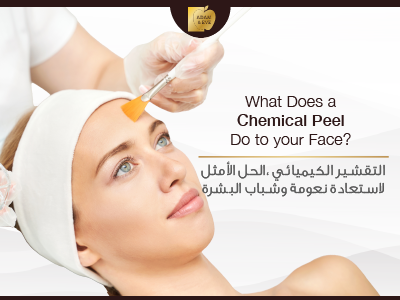
Chemical peels have become a cornerstone of modern skincare, offering remarkable benefits for various skin problems. From improving texture and tone to reducing scars and wrinkles, chemical peels can rejuvenate and transform your skin. Here you’ll understand the intricacies of chemical peels, their benefits, different types, and what to expect during and after the procedure.
What is a Chemical Peel?
It is a cosmetic treatment that involves applying a chemical solution to the skin, which causes the top layers to exfoliate and eventually peel off. The new, regenerated skin is typically smoother and less wrinkled than the old skin. Chemical peels are used to treat various skin issues, including acne scars, aging signs, hyperpigmentation, and sun damage.
How Chemical Peels Work
The mechanism behind chemical peels involves controlled damage to the skin’s surface layers, promoting the growth of new, healthy skin. Here’s a detailed breakdown of how the process works:
- Application of the Chemical Solution: The skin is thoroughly cleansed, and a chemical solution is applied. This solution typically contains one or more exfoliating agents like alpha hydroxy acids (AHAs), beta hydroxy acids (BHAs), trichloroacetic acid (TCA), or phenol.
- Penetration and Exfoliation: The chemical solution penetrates the skin layers to varying depths, depending on the type and strength of the peel. It breaks down the bonds that hold dead skin cells together, causing them to slough off.
- Peeling and Renewal: Over the next few days to weeks, the treated skin peels off, revealing fresh, new skin underneath. This new skin is usually smoother, with a more even tone and fewer imperfections.
Benefits of Chemical Peels
A chemical peel is a procedure that offers a wide range of benefits, making it a versatile treatment option for many skin-related problems. Here are some of the primary advantages of this procedure, which includes:
- Improvement in Skin Texture and Tone
A chemical peel is effective in smoothing out rough skin and enhancing the overall texture of the skin. It can also even out skin tone by reducing hyperpigmentation, age spots, and melasma.
- Reduction of Fine Lines and Wrinkles
By promoting the shedding of old skin and the growth of new, collagen-rich skin, chemical peels can reduce the appearance of fine lines and wrinkles, making the skin look younger and more vibrant.
- Acne and Acne Scars Treatment
Chemical peels, especially those containing salicylic acid (a type of BHA), are highly effective in treating acne. They help unclog pores, reduce inflammation, and diminish acne scars, leading to clearer and smoother skin.
- Minimizing Sun Damage
Sun damage often manifests as dark spots, rough patches, and fine lines. Chemical peels can reduce these signs of photodamage, restoring a more youthful appearance to sun-damaged skin.
- Enhanced Absorption of Skincare Products
After a chemical peel, the skin is more receptive to skincare products. This increased absorption allows for better penetration and efficacy of active ingredients in your skincare regimen.
Types of Chemical Peels
Chemical peels are categorized into three main types based on their depth of penetration: superficial, medium, and deep peels. Each type has its specific indications and benefits.
- Superficial Peels
- Ingredients: Typically use mild acids like glycolic acid, lactic acid, or salicylic acid.
- Penetration: It only affects the outermost layer of the skin (epidermis).
- Benefits: It is ideal for improving the skin texture, treating mild acne, and giving skin a fresh glow in minimal downtime.
- Frequency: It can be done every 4-6 weeks.
- Medium Peels
- Ingredients: Often use trichloroacetic acid (TCA) or stronger concentrations of glycolic acid.
- Penetration: It reaches the middle layer of the skin (dermis).
- Benefits: It is more effective for treating fine lines, acne scars, and moderate hyperpigmentation. Some downtime is required for recovery.
- Frequency: Typically repeated every 3-6 months.
- Deep Peels
- Ingredients: It uses strong chemicals like phenol or high concentrations of TCA.
- Penetration: It penetrates deeply into the dermis.
- Benefits: It provides dramatic improvement in deep wrinkles, significant sun damage, and severe acne scars. Requires significant downtime and recovery.
- Frequency: It is usually performed once due to its intensive nature.
What to Expect During a Chemical Peel
- Pre-Treatment Preparation
Before undergoing a chemical peel procedure, it is essential to prepare your skin. This preparation might include:
- Consultation: A thorough consultation with our dermatologists at Adam and Eve Specialized Medical Centre helps to determine the appropriate type and strength of the peel.
- Skin Preparation: Use of prescribed skincare products, such as retinoids or bleaching agents, to pre-condition the skin.
- Avoidance: Staying out of the sun and discontinuing certain medications that can increase sensitivity.
- The Procedure
- Cleansing: The skin is thoroughly cleaned to remove oils and impurities.
- Application: The chemical solution is applied to the skin with a brush or cotton pad. You might feel a tingling or burning sensation, which is normal.
- Neutralization: For some peels, a neutralizing solution is applied to stop the chemical reaction.
- Aftercare: Post-treatment care includes the application of soothing creams and following specific skin care instructions provided by the dermatologist.
- Post-Treatment Care and Recovery
- Downtime: Superficial peels have minimal downtime, while medium and deep peels require more significant recovery time.
- Peeling: Expect visible peeling or flaking for several days. Deep peels may cause more pronounced shedding.
- Hydration: Always Keep your skin hydrated by using gentle moisturizers.
- Sun Protection: Avoid sun exposure and usage of broad-spectrum sunscreen diligently.
- Avoid Picking: Resist the urge to pick at peeling skin to prevent scarring.
Risks and Considerations
While chemical peels are generally safe, they do carry some risks, especially if not performed correctly. It is essential to consider the following:
- Possible Side Effects
- Redness and Irritation: This is very common with all types of peels but more intense with deeper peels.
- Hyperpigmentation: Particularly in individuals with darker skin types, improper usage can be responsible for causing increased pigmentation.
- Scarring: It is rarely seen but can occur in certain individuals, especially with deep peels.
- Infection: Proper aftercare is necessary for the prevention of infections.
- Who Should Avoid Chemical Peels?
- Pregnant Women: Certain chemicals can be harmful to pregnant women so it is recommended to avoid this procedure or consult with your doctor.
- People with Certain Skin Conditions: Certain skin conditions like eczema, psoriasis, or rosacea can be exacerbated by chemical peels.
- Individuals Using Specific Medications: Medications like isotretinoin (Accutane) can increase the risk of complications.
Enhancing Results with Complementary Treatments
To maximize the benefits of chemical peels, consider combining them with other treatments:
- Microdermabrasion
A non-invasive procedure that exfoliates the skin's surface. When combined with chemical peels, it can enhance the peel’s effectiveness by providing deeper penetration.
Involves creating tiny punctures in the skin to stimulate collagen production. When done in conjunction with chemical peels, it can improve texture and tone significantly.
- Laser Treatments
Laser therapy can target deeper layers of the skin, complementing the surface-level effects of chemical peels for a more comprehensive rejuvenation.
Myths and Misconceptions About Chemical Peels
Despite their popularity, chemical peels are often surrounded by myths and misconceptions. Let’s debunk some common ones:
- Chemical Peels are Painful
While some discomfort is normal, especially with deeper peels, most peels involve manageable sensations like tingling or mild burning.
- Only for Acne-Prone Skin
Chemical peels benefit various skin types and concerns, not just acne. They are effective for anti-aging, pigmentation, and overall skin rejuvenation.
- Results are Immediate
While some improvement is visible after a few days, the full results typically develop over several weeks as new skin forms.
- Chemical Peels Thin the Skin
Peels stimulate new skin growth, improving skin thickness and resilience over time.
FAQs
Q: Who is a Good Candidate for a Chemical Peel?
A: The individuals with fair to medium skin tones seeking to improve skin texture, tone, and clarity. Those with darker skin tones can also benefit but may need specific types of peels to reduce the risk of pigmentation changes.
Q: How Long Does a Chemical Peel Take?
A: The application of the chemical solution usually takes about 15-30 minutes, depending on the type and extent of the peel.
Q: Can I Get a Chemical Peel If I Have Sensitive Skin?
A: Individuals with sensitive skin can still get chemical peels, but it’s essential to choose the right type and strength. A dermatologist can recommend a peel that suits your skin’s needs.
Q: Will a Chemical Peel Thin My Skin?
A: No, chemical peels stimulate the production of new, healthy skin cells and collagen, improving skin thickness and resilience over time.
Conclusion
Chemical peels are a powerful procedure in the world of modern skincare, offering profound benefits for various skin concerns. Whether you’re looking to smooth out fine lines, reduce acne scars, or achieve a more even skin tone, there’s likely a chemical peel suited to your needs. Understanding the different types of peels, the procedure, and the necessary aftercare can help you make an informed decision and achieve the best possible results.
Always consult with a qualified dermatologist at Adam and Eve Specialized Medical Centre to determine the most appropriate treatment for your skin type and concerns. With the right approach, chemical peels can significantly enhance your skin’s appearance and health.
Key takeaways
- Follow personalized care plans and medical guidance
- Consult a licensed practitioner for tailored recommendations
- Prioritize hydration, balanced recovery, and clinician aftercare
This article is general information and does not replace an individual consultation. Suitability, risks and expected outcomes are discussed with your clinician.


